Renting a dumpster can be a seamless procedure when you're equipped with the right understanding. To guarantee a smooth experience, beginning by determining your waste needs, consisting of the kind and quantity of waste, and determining special demands. Next, select the right dumpster size to prevent mistakes and additional fees. Recognize the rental costs, including base fees and possible surcharges. Acquire essential authorizations, schedule a distribution, and plan for arrival by removing the area and assigning a contact individual. Lastly, fill the dumpster appropriately and return it in a timely manner. By complying with these steps, you'll be well on your way to efficient waste management, and a closer take a look at each step will reveal a lot more useful insights.
Determining Your Waste Needs
Your project's success rests on precisely identifying your waste needs, as it establishes the phase for a seamless and economical dumpster rental experience
To accomplish this, you must think about the type and volume of waste your project will produce. Beginning by determining the products you'll be dealing with, such as building and construction particles, house products, or lawn waste. Quote the amount of each material and calculate the total volume of waste. This will aid you establish the frequency of dumpster exchanges and the overall rental duration.
Additionally, think about any special demands, such as hazardous waste disposal or cooling agent removal. By understanding your waste needs, you can guarantee a smooth rental experience, prevent unneeded costs, and preserve a secure working environment.
A clear understanding of your waste requires is necessary to picking the right dumpster rental service for your project.
Choosing the Right Dumpster Size
Frequently, project supervisors and house owners alike underestimate the relevance of selecting the ideal dumpster size, leading to costly mistakes and logistical problems. A dumpster that is also little can cause numerous trips to the land fill, leading to raised prices and expanded project timelines
Conversely, a dumpster that is also large can be a waste of resources, occupying valuable space on duty website and sustaining unneeded rental fees.
To choose the right dumpster dimension, it's critical to consider the scope of your project and the quantity of waste you anticipate to create. Procedure the area where the dumpster will certainly be positioned to assure a comfortable fit.
Reflect on the sort of products you'll be getting rid of, in addition to any kind of local regulations or restrictions on dumpster size and placement.
Common dumpster dimensions vary from 10 to 40 yards, with 20-yard dumpsters being a preferred choice https://righteous-ticket.uncrn.co/blog/what-do-i-required-to-rental-fee-a-dumpster/ for a lot of residential and small business projects
Be sure to review your particular requirements with your dumpster rental provider to identify the suitable size for your job. By picking the right dumpster size, you can prevent unneeded frustrations and ensure a smooth, effective task workflow
Understanding Dumpster Rental Costs
Typically, dumpster rental companies bill a base charge, which covers the cost of delivery, pick-up, and disposal. Additional fees may request things like gas additional charges, obese loads, or extended rental periods.
Be sure to ask about any kind of additional costs when inquiring about costs. Some firms might offer discount rates for lasting rentals, bulk orders, or specific types of waste.
It's vital to make clear the total cost and any kind of prospective charges before signing a rental arrangement. By understanding the elements that impact dumpster rental expenses, you can budget as necessary and avoid unexpected expenses
Obtaining Required Permits
Before wrapping up a dumpster rental agreement, it's vital to identify compliance with neighborhood regulations
Obtaining necessary permits is a crucial action in the dumpster rental procedure, as it guarantees that you're meeting the requirements established by your local government Failure to secure the needed authorizations can result in penalties, charges, and even job delays.
The kind of permits needed might vary depending upon your location, project type, and dumpster placement. Commonly, you'll need a license to position a dumpster on a public road or sidewalk
You may also need an authorization for large-scale construction or demolition projects
It's vital to research the specific regulations in your area and identify which authorizations are required for your job. You can call your city government or public jobs department to acquire the necessary information.
Some dumpster rental companies may additionally offer advice or help in obtaining the needed permits.
Scheduling a Dumpster Delivery
As the permitting process is total, attention turns to scheduling a dumpster delivery that aligns with your project's timeline. This vital action assurances that your waste management plan remain on track, permitting you to focus on the job at hand.
When scheduling a distribution, it's essential to give the rental firm with accurate information concerning your job's timeline, including the beginning and end dates. This will enable them to designate the right dumpster size and kind to fulfill your specific needs.
Be prepared to supply details concerning the type of waste you'll be disposing of, along with any specific laws or limitations that might apply. Your dumpster rental service provider will certainly collaborate with you to identify one of the most ideal delivery date and time, thinking about aspects such as web traffic, weather, and access to the drop-off location.
Preparing for Dumpster Arrival
With the delivery date and time confirmed, assuring a seamless dumpster arrival calls for careful prep work to prevent any kind of potential hiccups.
It's essential to clear the area where the dumpster will certainly be positioned, eliminating any kind of obstacles or debris that may impede the shipment procedure. This consists of relocating vehicles, bikes, or any kind of other things that might be in the way. Furthermore, trim any tree branches or shrubs that may be obstructing the distribution path.
Designate a contact person to be present during the distribution, ensuring they understand the dumpster's dimension and positioning demands. This will aid facilitate a smooth distribution and protect against any miscommunication.
It's also crucial to verify the dumpster can be securely put on a stable surface, such as a driveway or a hard surface area, to prevent any damage to the bordering area.
Filling and Returning the Dumpster
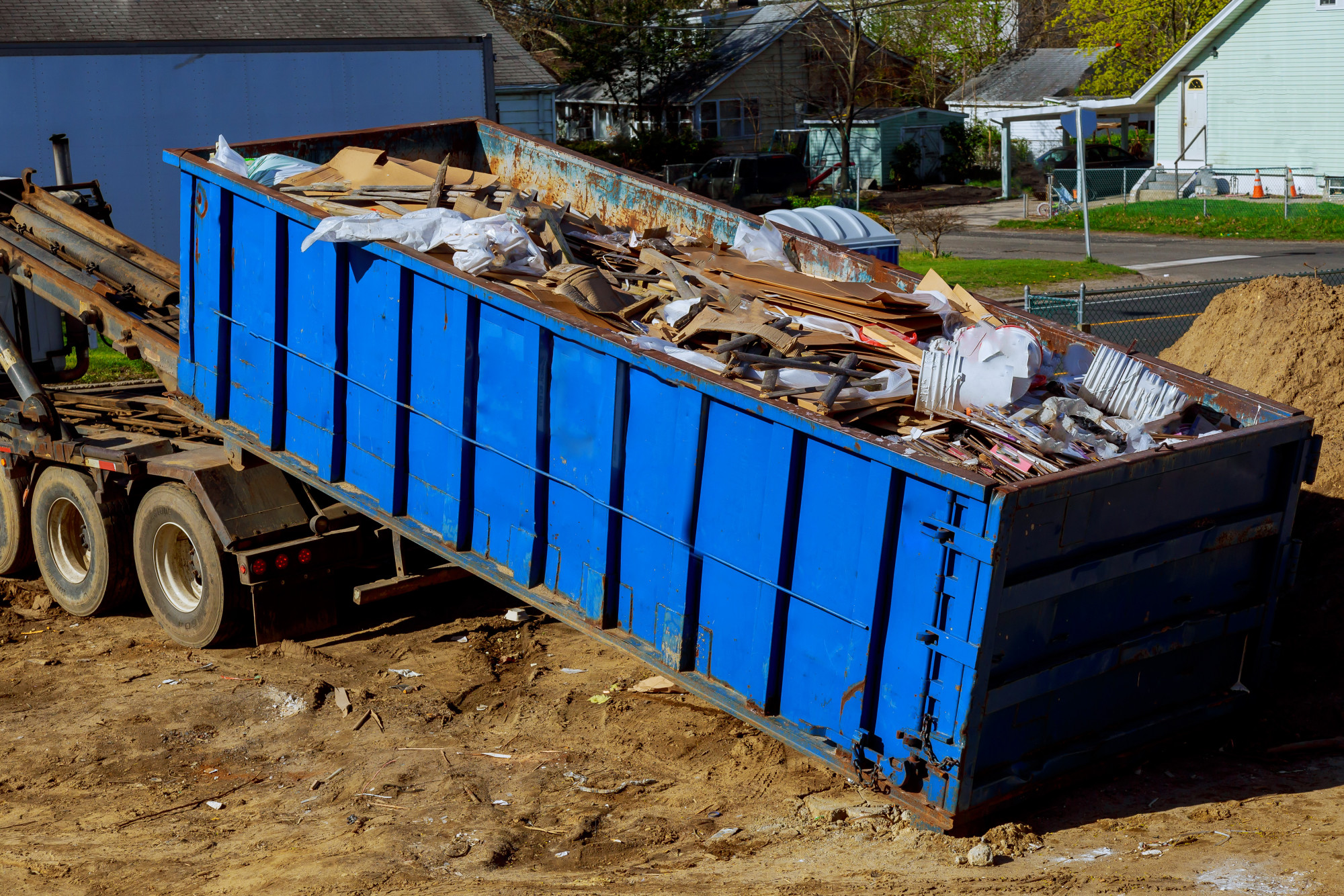
The dumpster has actually shown up, and it's time to concentrate on filling it effectively and securely. When filling the dumpster, it's important to take into account the weight capacity and the type of materials allowed Straining the dumpster can lead to added charges, so be mindful of the weight and quantity of the debris.
Confirm that all items are positioned inside the dumpster and not overflowing outside, as this can create safety hazards and create an eyesore.
When filling up the dumpster, start with heavier items at the bottom and work your method approximately lighter products. This assists stop damages to the dumpster and makes it less complicated to load and unload.
Additionally, maintain prohibited items, such as hazardous waste and electronic devices, out of the dumpster to prevent environmental harm and possible fines.
Once the dumpster is full, get in touch with the rental company to schedule a pickup Make certain to follow the firm's return guidelines to prevent any kind of extra fees or delays.