When it concerns efficiently handling waste and particles on a construction or remodelling task, leasing the right dumpster can be a game-changer. To ensure a smooth and economical waste monitoring procedure, identify your job's certain requirements by evaluating the range, products, and waste types. Choose the appropriate dumpster dimension to match your project requirements, and comprehend the rental duration options to fit your project timeline. Study neighborhood guidelines, plan for shipment and placement, and lots the dumpster effectively to make the most of room. By following these necessary suggestions, you'll be well on your method to a successful waste management strategy that satisfies your job's special demands, and checking out these subjects better will certainly reveal much more understandings to maximize your job's efficiency.
Determine Your Dumpster Needs
When undertaking a task that generates a significant quantity of waste, establishing your dumpster needs is an essential first step. This involves evaluating the kind and amount of waste you anticipate to create, in addition to the period of the project. Falling short to accurately determine your dumpster requires can result in inefficient waste management, leading to unnecessary costs and environmental harm
To establish your dumpster needs, consider the scope of your job, including the products being used, the variety of employees involved, and any kind of regional regulations governing waste disposal
You needs to likewise think about the offered room on-site for dumpster positioning and the regularity of waste collection. By taking these elements right into account, you can assure that you rent the ideal dumpster for your project, simplifying your waste monitoring procedure and lessening environmental impact.
Choose the Right Dumpster Size
When choosing a dumpster size, take into consideration the type and quantity of waste you'll be generating.

Overestimating your waste volume can lead to unneeded prices, while ignoring might lead to additional charges for additional pickups or larger dumpsters.
Carefully analyze your job's needs to select the appropriate dumpster size and ensure a smooth waste monitoring process
Understand Rental Duration Options
Project timelines can be unpredictable, and waste removal needs typically rise and fall accordingly. Because of this, comprehending rental duration options is vital to ensure you have the dumpster for as lengthy as you need it. Generally, dumpster leasing periods vary from a couple of days to numerous weeks and even months.
When picking a rental period, think about the scope and period of your job. If you're undertaking a minor renovation, a much shorter rental period may suffice. Alternatively, larger projects might call for a longer rental duration to suit the volume of waste generated.
Be conscious that a lot of dumpster rental companies use flexible rental periods, enabling you to readjust the period as needed. It's necessary to discuss your specific needs with the rental business to figure out one of the most ideal rental period for your project.
Be prepared to provide details about your project timeline, waste generation rates, and any type of potential adjustments to your routine. By doing so, you'll assure you have the appropriate dumpster for the right amount of time, decreasing expenses and taking full advantage of efficiency.
Plan for Delivery and Placement
One vital aspect of dumpster rental typically forgotten is the logistics of delivery and placement.
It's important to plan in advance to ensure a smooth and reliable procedure. Prior to the dumpster shows up, identify a suitable location on your residential or commercial property that is easily accessible for the delivery van and enables hassle-free filling and dumping of waste.
Consider the dimension of the dumpster and the space required for it to fit conveniently. Additionally, clear the area of any kind of barriers, such as parked autos or overhanging branches, to avoid damage or obstruction.
It's additionally crucial to designate a specific area for the dumpster to avoid confusion or misplacement. By planning for delivery and positioning, you can avoid potential issues and guarantee a successful dumpster rental experience.
Moreover, some dumpster rental firms might have details requirements or limitations for delivery and positioning, so be sure to evaluate their plans ahead of time to avoid any type of surprises.
Research Regional Regulations
A successful dumpster rental experience counts not only on logistical planning however likewise compliance with local regulations Comprehending what is enabled and banned in your location is essential to preventing expensive fines and guaranteeing a smooth rental process.
Researching regional guidelines can help you identify the type of waste that can be disposed of in the dumpster, any particular requirements for sorting or dividing recyclables, and any kind of noise or time restrictions for dumpster distributions and pickups.

Additionally, https://blogfreely.net/piedmonttriad-dumpsters/student-life-simplified-renting-dumpsters-for-dorm-cleanouts you may require to consider policies concerning obese or large dumpsters, as well as any type of special permits required for sure kinds of waste.
By making the effort to study local regulations, you can guarantee that your dumpster rental experience is not only efficient but likewise compliant with local legislations and ordinances.
This aggressive method will give you comfort and help you prevent potential challenges that could disrupt your project timeline
Obtain Needed Permits
While looking into local policies is vital, it's similarly crucial to obtain essential licenses to guarantee a seamless dumpster rental experience.
Failure to do so can lead to penalties, fines, and also job delays. To prevent these problems, it's essential to recognize what permits are required for your details project.
Here are the key allows to bear in mind:
Building permits: These authorizations are required for building and construction, demolition, or renovation projects that include architectural changes to a property. Ensure you have the required authorizations before placing a dumpster on site.
Zoning permits: Zoning licenses manage land use and confirm that your task abides by local zoning legislations. These permits may be needed for jobs that entail large tools or dumpsters.
Street permits: If you prepare to position a dumpster on a public road or walkway, you'll need a road permit. This license assures that the dumpster does not block pedestrian or automotive traffic.
Load the Dumpster Efficiently
With the authorizations in place, it's time to focus on loading the dumpster efficiently to maximize its capacity and minimize costs An efficient dumpster tons can substantially reduce the variety of trips required, conserving you time and money.
Start by damaging down large items, such as furnishings or appliances, into smaller sized pieces to maximize the offered space. Place heavy items, like concrete or bricks, at the bottom of the dumpster to create a stable base.
Next, lots bulky items, like bed mattress or couches, along the sides of the dumpster, leaving space in the facility for smaller things. Fill in any type of gaps with smaller products, like boxes or bags, to minimize empty space.
Keep the dumpster's weight evenly distributed to stop it from ending up being too heavy on one side. By following these simple loading techniques, you can make the most of your dumpster leasing and improve your waste elimination process.
Manage Heavy Debris Correctly
Heavy debris, such as concrete, bricks, and asphalt, can be particularly testing to manage during a dumpster rental.
These thick materials can swiftly go beyond the weight capability of your dumpster, causing added charges and even dumpster rejection. To stay clear of these concerns, it's important to take care of hefty debris correctly.
Segregate hefty debris: Keep heavy particles different from lighter products to assure precise weight estimations and protect against contamination.This will likewise assist you optimize your dumpster room and minimize the risk of overweight fines.
Use the appropriate dumpster size: Choose a dumpster size that can accommodate the weight and quantity of your hefty debris.Be certain to examine the weight ability and measurements of the dumpster before ordering.
Load heavy particles strategically: Lots heavy debris right into the dumpster in such a way that distributes the weight uniformly, decreasing the threat of damages or tipping.This will certainly likewise make it simpler to transport the dumpster safely.
Keep the Site Tidy and Safe
A clean and secure work site is vital for an effective dumpster rental experience. This guarantees a smooth workflow, decreases mishaps, and advertises a positive working environment.
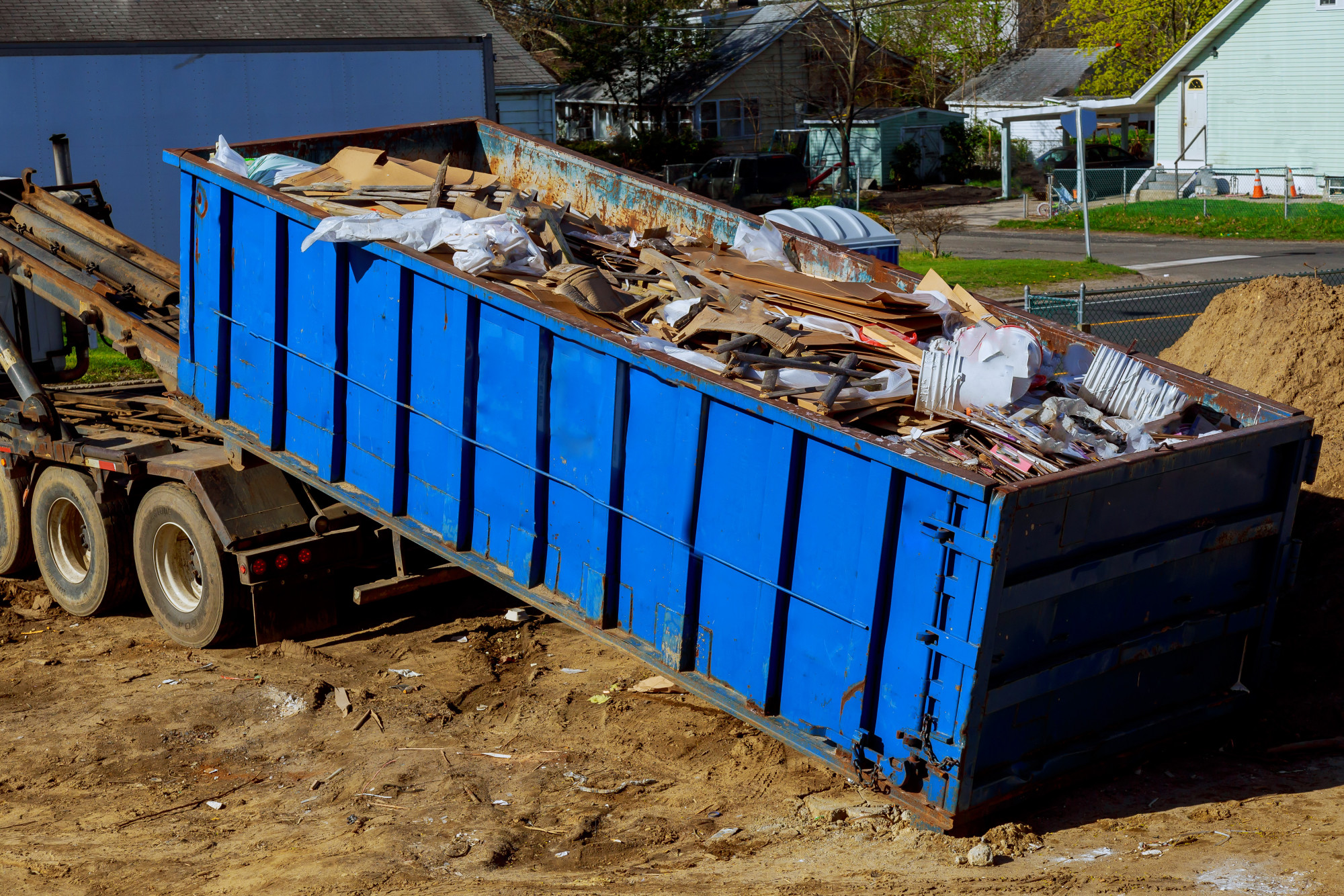
To attain this, designate a certain area for the dumpster and maintain it away from pedestrian paths and vehicles. Establish the dumpster is easily available and noticeable to all website personnel.
Regularly tidy up debris and waste around the dumpster to avoid tripping hazards and pest infestations Carry out a "tidy as you go" policy to keep a tidy website and reduce the threat of accidents.
Additionally, give adequate illumination and signage to warn of possible risks, particularly at night or in low-visibility areas.
Review and Understand Pricing
Understanding the pricing structure of your dumpster rental is necessary to staying clear of unexpected costs and ensuring a successful project.
It's important to evaluate and comprehend the prices terms to avoid any type of shocks down the line.
When evaluating the pricing, take into consideration the adhering to key factors:
Rental period: The length of time do you need the dumpster, and what are the associated expenses? Make sure to ask about any kind of price cuts for longer rental periods.
Weight and volume limits: What are the weight and volume restrictions of the dumpster, and what are the extra costs for going beyond these limits?
Delivery and pickup fees: Exist any additional costs for delivery, pickup, or gas surcharges?