Renting a dumpster like a pro needs careful planning and attention to information. Start by accurately reviewing your waste generation needs, considering the kind and amount of waste, project size, and neighborhood guidelines. Pick the best dumpster size, varying from 10-40 backyards, and plan for efficient loading methods to maximize capability. Understand rental periods, which can range from days to months, and be aware of prohibited items and neighborhood disposal standards. With these necessary pointers, you'll be well on your method to a seamless waste administration experience; and, by exploring even more, you'll reveal even more https://penzu.com/p/11abe322c96abcb9 expert suggestions to ensure a stress-free dumpster rental process.
Determine Your Dumpster Needs
Determine Your Dumpster Needs
Typically, people and companies alike often underestimate the quantity of waste they will certainly create during a job or event, bring about a mismatch between the dumpster size and the actual garbage disposal demands. This oversight can cause unnecessary expenses, delays, and environmental concerns.
To stay clear of these problems, it's essential to precisely determine your dumpster needs Before renting a dumpster, take into consideration the type and amount of waste you'll be getting rid of. Will certainly you be managing construction debris, household garbage, or recyclables?
Are you organizing a small gathering or a large event? Take into consideration the period of the job or occasion, along with the number of participants or employees involved. In addition, consider any local laws or restrictions on waste disposal.
Choose the Right Dumpster Size
Most tasks and events require a certain dumpster size to guarantee efficient waste management Choosing the right size dumpster is vital to guarantee that your waste is effectively had and dealt with, while likewise avoiding unnecessary costs
When picking a dumpster dimension, consider the scope of your project, the kind of waste you'll be generating, and the readily available room for the dumpster. For small-scale projects, such as cleaning out a solitary room or minor restorations, a 10-15 yard dumpster may be sufficient.
Medium-sized tasks, like cooking area remodels or whole-house cleanouts, may need a 20-30 backyard dumpster. Larger projects, such as building and construction or demolition, commonly require a 40-yard dumpster or larger.
It's necessary to talk to a dumpster rental professional to figure out the very best dumpster size for your particular requirements. They can help you approximate the volume of waste you'll create and recommend the appropriate dumpster size to guarantee a smooth and reliable waste administration process.
Understand Dumpster Rental Periods
Typically, dumpster rental periods array from a couple of days to numerous weeks or even months, depending upon the range and duration of your project.
For instance, a small home renovation could only need a dumpster for a week, while a large building project can require a rental duration of numerous months.
Understanding the rental duration is essential to guarantee you have the dumpster on-site for as long as you require it, without sustaining additional fees for extended rental periods.
Be certain to clarify the rental period with your selected dumpster rental business to prevent any type of misunderstandings.
Most companies supply flexible rental periods, enabling you to adjust the period as needed.
Some might additionally offer discounts for longer leasing periods, so it is essential to review your task timeline with the rental company to identify the most cost-effective solution
Know What Can Be Thrown Away
Once you've protected a dumpster rental with an appropriate rental period, it's similarly vital to recognize what can and can not be gotten rid of. This understanding will certainly help you stay clear of contaminating the dumpster with prohibited items, which can bring about added fees and even dumpster rejection.
Generally, the majority of dumpsters accept non-hazardous materials like construction debris, home junk, and backyard waste. Nevertheless, specific things like electronics, batteries, and hazardous chemicals are strictly prohibited.
Additionally, some dumpsters might have specific restrictions on products like cushions, tires, or home appliances, so it's important to talk to your rental provider beforehand.
Be mindful of local regulations and guidelines, as they might vary depending upon your place. Taking the time to comprehend what can be gotten rid of will certainly ensure a smooth and easy dumpster rental experience.
Plan for Dumpster Delivery
With the dumpster rental period established and a clear understanding of what can be discarded, attention turns to the logistics of delivery
It's important to plan for dumpster distribution to guarantee a seamless experience. Confirm the delivery date and time with the rental firm to stay clear of any type of miscommunication. Validate you have a clear path for the delivery truck to access the drop-off location. Get rid of any kind of barriers, such as cars and trucks or debris, that could prevent the distribution process.
Additionally, mark a specific location for the dumpster to be put, taking into consideration the dimension of the dumpster and the room readily available. Think about any type of above blockages, like power lines or tree branches, that may interfere with the delivery.
Verify the rental business's distribution policies, consisting of any type of additional costs for stopped working shipments or adjustments to the scheduled drop-off time. By preparing ahead, you can prevent possible concerns and ensure a successful dumpster rental experience
Ensure Safe Dumpster Placement
Proper positioning of the dumpster is basic to ensure a safe and hassle-free rental experience This considerable step is commonly forgotten, but it's important to ensure the dumpster is placed in a way that enables easy loading and unloading, while additionally minimizing the risk of accidents and residential property damage.
When picking a location, take into consideration the distance to your office, making sure it's close adequate to facilitate reliable filling but much adequate to avoid obstructing walkways or driveways. Additionally, pick a spot with a stable and level surface, preventing soft or unequal ground that can create the dumpster to move or topple.
Be conscious of overhead obstructions, such as power lines or tree branches, and maintain the dumpster at least 10 feet away from any nearby structures. By taking these preventative measures, you'll create a risk-free and reliable working environment, permitting you to concentrate on your task without unnecessary anxiety or worry.
Load the Dumpster Efficiently
The efficient loading of a dumpster service is essential to maximize its capacity, decrease rental durations, and lessen the risk of crashes or residential property damage.
A well-loaded dumpster guarantees that you get the most worth out of your service and avoids costly expansions or added containers. To achieve optimal loading, begin by positioning the biggest, heaviest products at the bottom, such as furniture and devices. This produces a stable base that enables you to stack smaller items on top.
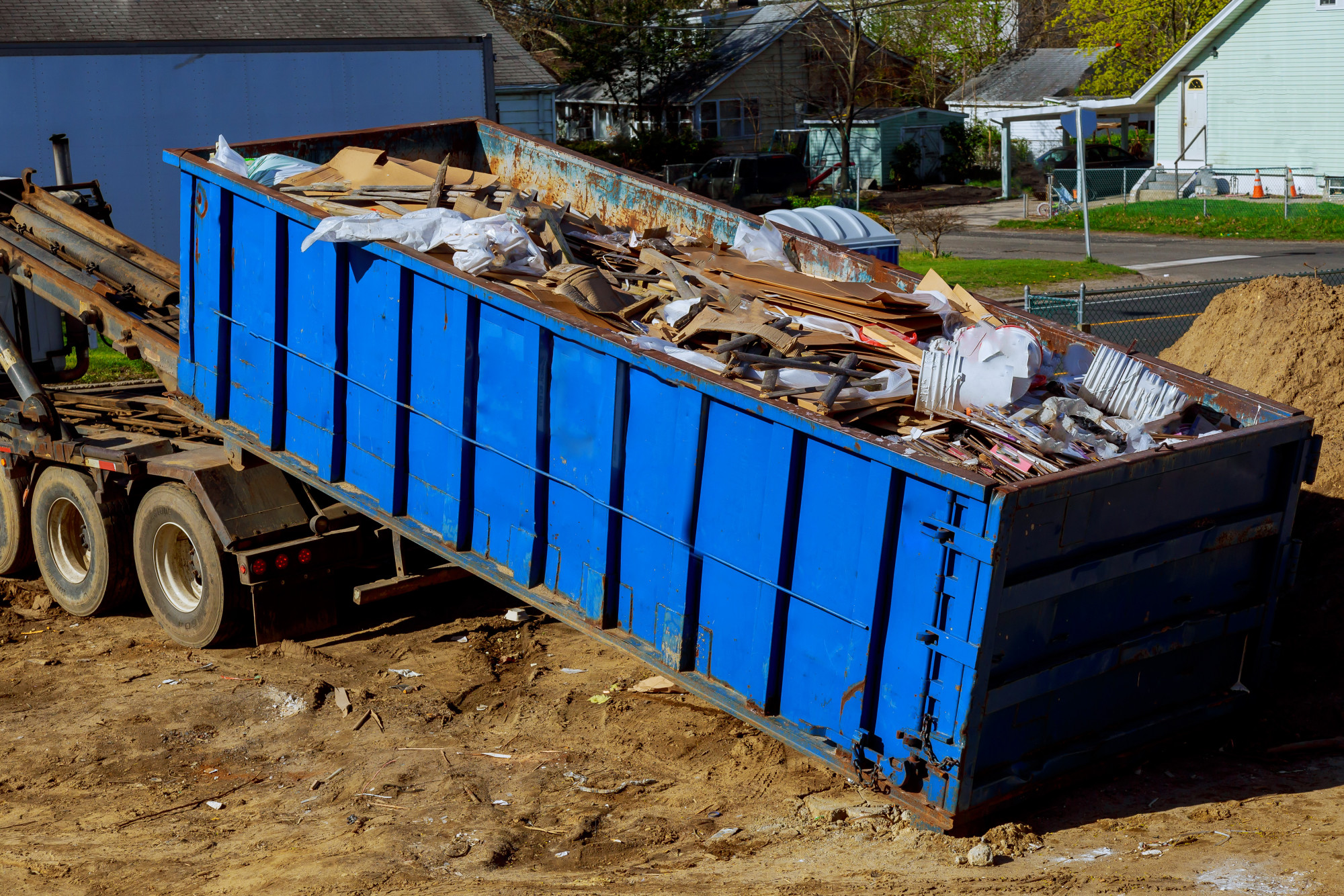

Break down bulky items like boxes and pallets to fill up voids and maximize the available room. Keep similar items with each other, like building and construction products or home waste, to simplify the packing process
Manage Heavy Debris and Waste
Managing heavy particles and waste requires unique focus to guarantee safe and efficient dumpster rental operations Heavy products like concrete, asphalt, and blocks can be harmful if not taken care of correctly, and incorrect disposal can bring about ecological injury and expensive fines.
To take care of hefty debris properly, it's essential to pick the ideal dumpster size and type for the task. A heavy-duty dumpster with an enhanced flooring and tough wall surfaces is necessary for taking care of heavy materials.
Additionally, it's crucial to fill the dumpster appropriately, placing the heaviest things at the bottom and dispersing the weight equally to avoid tipping or collapse.
It's additionally vital to adhere to the dumpster rental company's standards for weight limits and product restrictions to avoid added fees or penalties.
Follow Local Dumpster Regulations
In accordance with local ordinances, dumpster rental operations must comply with specific regulations to avoid fines, penalties, and ecological hazards
Failure to follow these laws can result in extreme repercussions, consisting of fines, lawsuits, and damages to your online reputation. It is important to research and recognize the regional policies regulating dumpster leasing in your area.
Familiarize on your own with the permitted dumpster sizes, types, and materials permitted. Some areas may have constraints on the weight, size, or sort of waste that can be taken care of in a dumpster.
Additionally, there may be specific guidelines regarding dumpster positioning, such as closeness to sidewalks, roads, or bordering properties.
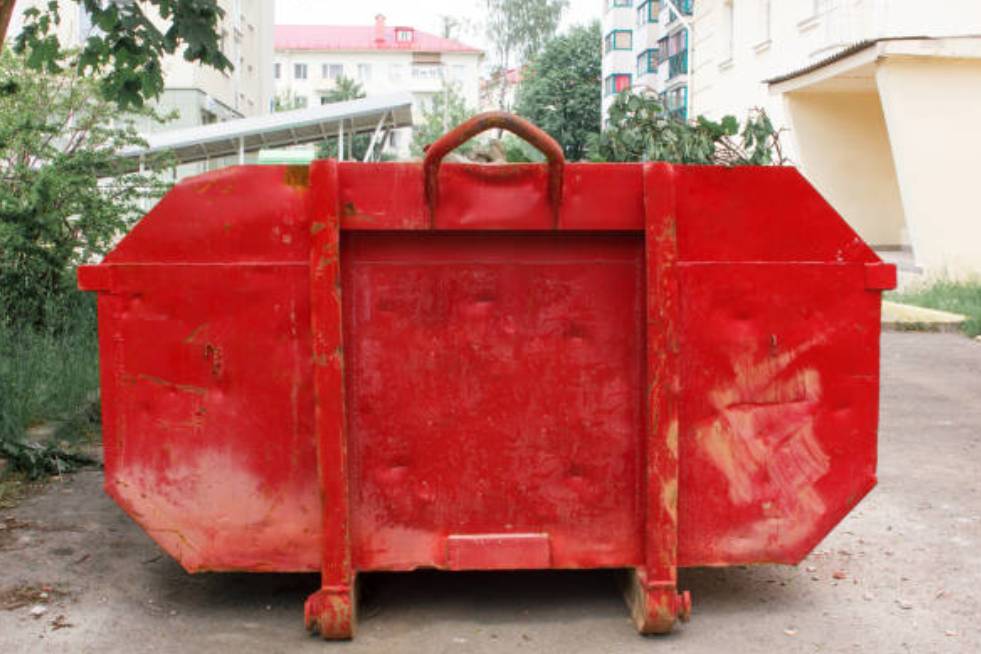
Before renting out a dumpster, validate you have the necessary permits and licenses Validate that the rental firm is compliant with regional regulations and has actually the called for permits.
Optimize Dumpster Rental Costs
Optimizing dumpster rental costs calls for an extensive understanding of the factors that affect rates. Several variables enter into play, consisting of the dumpster size, rental duration, type of waste, and location. Understanding these factors can aid you make informed decisions and prevent unneeded expenses.
One secret method is to select the appropriate dumpster size for your job. A dumpster that is as well tiny can result in added leasing periods, while one that is also huge can lead to lost area and cash. Take into consideration the type and quantity of waste you expect to generate and pick a dumpster size accordingly.
Additionally, be mindful of the rental period. Longer rental durations can raise prices, so plan your task timeline appropriately. Some dumpster rental companies might use discount rates for longer leasing periods, so be sure to ask about any type of potential savings