When it pertains to dumpster rentals, success relies on cautious planning and interest to detail. Beginning by understanding local regulations, choosing the ideal dumpster dimension, and picking a reputable rental company Know what can and can not be gotten rid of, and prepare for efficient waste disposal Don't forget to secure essential licenses and licenses, and handle dumpster positioning logistics to avoid surprise costs and charges. By adhering to these vital pointers, you'll be well on your way to a smooth and cost-efficient dumpster rental experience; currently, take the next step to guarantee your project goes off without a hitch.
Understanding Regional Regulations
When it comes to dumpster rentals, navigating local regulations can be a significant obstacle. Understanding what is permitted and what is not in your location is necessary to avoiding costly fines and ensuring a smooth rental experience. Each city or town has its very own set of rules and policies governing dumpster positioning, permits, and waste disposal
Before renting a dumpster, research study the details regulations in your area. Get in touch with your local government or public jobs division to establish if you need a permit to place a dumpster on your property.
Some locations might have restrictions on the size or sort of dumpster you can make use of, or might need you to follow specific guidelines for garbage disposal. Additionally, understand any type https://privatebin.net/?9c76c6b17a197225#5xLHg8ZYDYS9zUVCb7vJKDJKCAHXk4gfzPDYydczy43h of noise or time restrictions that may affect your dumpster rental.
Choosing the Right Dumpster Size
A construction website's worth of particles can build up quickly, making it important to select a dumpster size that can take care of the volume of waste Stopping working to do so can result in expensive overflows, project hold-ups, and security hazards.
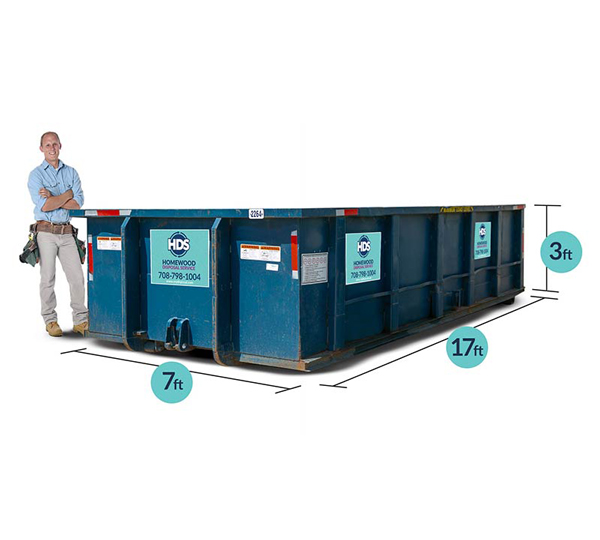
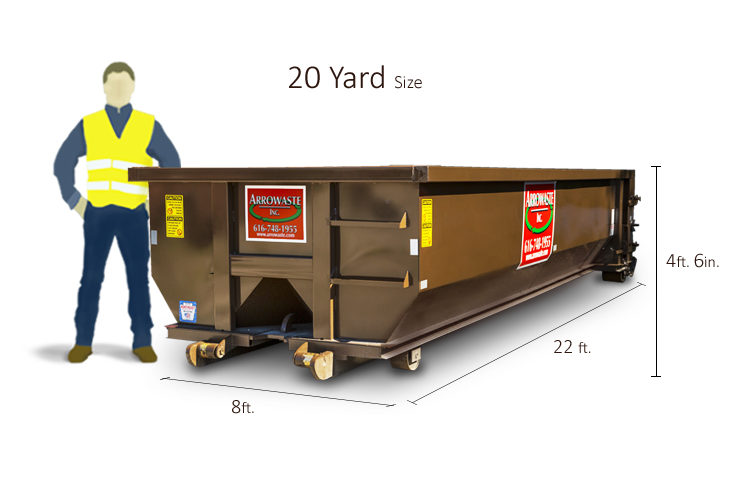
To avoid these concerns, think about the type and quantity of waste you'll be generating. For small-scale projects, such as washroom renovations or minor clean-ups, a 10-15 backyard dumpster may be adequate. Larger projects, like full-scale remodels or new building, might call for 20-30 backyard and even 40 lawn dumpsters.
When estimating your waste quantity, take into consideration the weight and bulk of products like concrete, asphalt, or roof covering materials. It's far better to err on the side of care and go with a larger dumpster than to run the risk of running out of space mid-project.
Additionally, bear in mind any local regulations or community limitations that may influence your dumpster dimension choice. By selecting the ideal dumpster size, you'll guarantee a smoother, more reliable project that stays on track and on budget.
Selecting a Trusted Rental Company
With the ideal dumpster size in place, focus turns to finding a rental company that can provide on its guarantees. A trusted rental company is important to a successful dumpster rental experience.
Research is essential to making an informed decision. Beginning by asking pals, family members, or next-door neighbors who have actually leased dumpsters in the past for recommendations. Online reviews and ratings can also supply important insights into a company's integrity and client service.
When evaluating possible rental business, consider their experience, licenses, and insurance policy. Validate they have the essential authorizations to operate in your area and can provide evidence of obligation insurance.
A credible business will also have a clear and transparent pricing framework, without any concealed fees or shocks. Furthermore, seek companies that offer flexible rental periods and a variety of dumpster sizes to fit your details needs.
Knowing What Can Be Tossed Away
Understanding what can be thrown out in a dumpster rental is vital to stay clear of any possible issues or extra fees. Understanding what can and can not be thrown out in a dumpster leasing is essential to ensure a smooth and hassle-free experience.
Most dumpster rental companies allow household trash, construction particles, and backyard waste to be thrown away. Nevertheless, hazardous materials such as batteries, electronics, and chemicals are generally prohibited.
Additionally, some companies may have specific guidelines for items like tires, devices, and furniture. It is essential to review the rental business's guidelines prior to filling the dumpster to prevent any surprises.
Some products, like bed mattress and box springs, might need special handling and disposal, which can lead to additional charges. By understanding what can be thrown out, you can prepare accordingly and avoid any unexpected costs or complications.
Dealing With Licenses and Licenses
Compliance with local laws is a critical element of dumpster service, and obtaining the necessary permits and licenses is a vital action in the process.
Failure to do so can lead to fines, fines, and also task delays. It's essential to investigate the specific guidelines in your area, as they differ from city to city and also in between neighborhoods.
Typically, licenses are required for dumpsters positioned on public building, such as streets or sidewalks.
However, some areas may likewise call for licenses for dumpsters on private property. Make certain to consult your local government to figure out the specific needs for your project.
Additionally, some dumpster rental companies might obtain the required authorizations on your behalf, so be sure to inquire about their permitting process when choosing a provider.
Managing Dumpster Placement Logistics
Efficiency is essential when it concerns handling dumpster placement logistics, as a well-planned deployment can make all the difference in the success of your project. A thoughtful approach to dumpster positioning warranties that your waste management needs are fulfilled, and your task remains on track.
When planning dumpster logistics, consider the size and kind of dumpster you require, thinking about the amount and sort of waste you'll be generating. Validate the chosen dumpster fits comfortably in the assigned area, leaving enough space for easy gain access to and sufficient ventilation.
Additionally, consider the flow of traffic around the dumpster, avoiding placement in high-traffic areas or near fire hydrants, electric boxes, or other sensitive infrastructure.
Proper dumpster positioning also includes coordinating with your rental firm to set up timely shipments and pickups Be prepared to offer clear instructions on where the dumpster must be put, and verify that the location is free from any challenges or debris.
Avoiding Hidden Fees and Charges
When protecting a dumpster leasing, it's essential to look at the rental contract to avoid concealed costs and costs that can swiftly add up and blow your task budget.
A complete evaluation of the agreement can help you identify prospective challenges and guarantee you're obtaining the most effective deal possible.
Some common hidden costs to keep an eye out for consist of:
- Fuel surcharges: Some dumpster rental firms may bill additional for gas costs associated with delivering and grabbing the dumpster. Overweight fees: If the dumpster exceeds the weight limit defined in the rental agreement, you may be charged added fees. Extension fees: If you need to keep the dumpster longer than at first set, you might incur additional fees for each and every day beyond the original rental period.
Planning for Effective Waste Disposal
Properly preparing for waste disposal is critical to guaranteeing a smooth and affordable dumpster rental experience
It's important to recognize the type and quantity of waste produced during your project, as this will assist establish the right dumpster size and rental period. Think about the products you'll be getting rid of, such as construction particles, home products, or backyard waste, and approximate the quantity of waste appropriately. This information will enable you to choose the most ideal dumpster size, staying clear of unneeded prices related to leasing a dumpster that's also large or as well small.
Additionally, planning for effective garbage disposal entails assigning a convenient and available location for the dumpster on your site. Confirm the area is clear of obstacles, permitting easy loading and dumping of waste.
You ought to also establish a waste partition plan to separate recyclable products from non-recyclable waste, advertising ecologically accountable practices.