When renting out a dumpster, 3 essential considerations can make all the distinction. First, understanding local regulations is important, as permits, size limitations, and material standards can vary greatly. Next, picking the appropriate dumpster size is important, as it influences performance and cost-effectiveness, with preferred dimensions varying from 20 to 40 cubic yards. Ultimately, selecting the appropriate dumpster type, such as roll-off, front-load, or compactor, is needed to cater to specific task needs. By focusing on these vital variables, people and businesses can assure a smooth and cost-efficient dumpster rental experience, and uncover much more means to optimize their waste administration project
Understanding Regional Regulations
Some common regulations include obtaining permits, adhering to specific dumpster sizes and types, and adhering to guidelines for placement and duration.
Additionally, some locations might have constraints on the types of materials that can be gotten rid of in a dumpster, or needs for separating recyclables.
Understanding these laws upfront can help you prepare your project better, making certain https://pastelink.net/sw50fknx that you're in conformity and staying clear of any type of possible setbacks.
Choosing the Right Dumpster Size
When intending a job that requires a dumpster rental, comprehending local regulations is simply the very first step.
The next off vital consideration is selecting the right dumpster size for your particular demands. This decision can greatly impact the efficiency and cost-effectiveness of your task. A dumpster that is also tiny may bring about multiple rentals, causing enhanced prices and logistical troubles. On the other hand, a dumpster that is too big might throw away important space and resources.
To determine the excellent dumpster dimension, think about the range and range of your project. Price quote the quantity of waste you expect to produce and consider any details demands, such as accommodating large things or hefty materials.
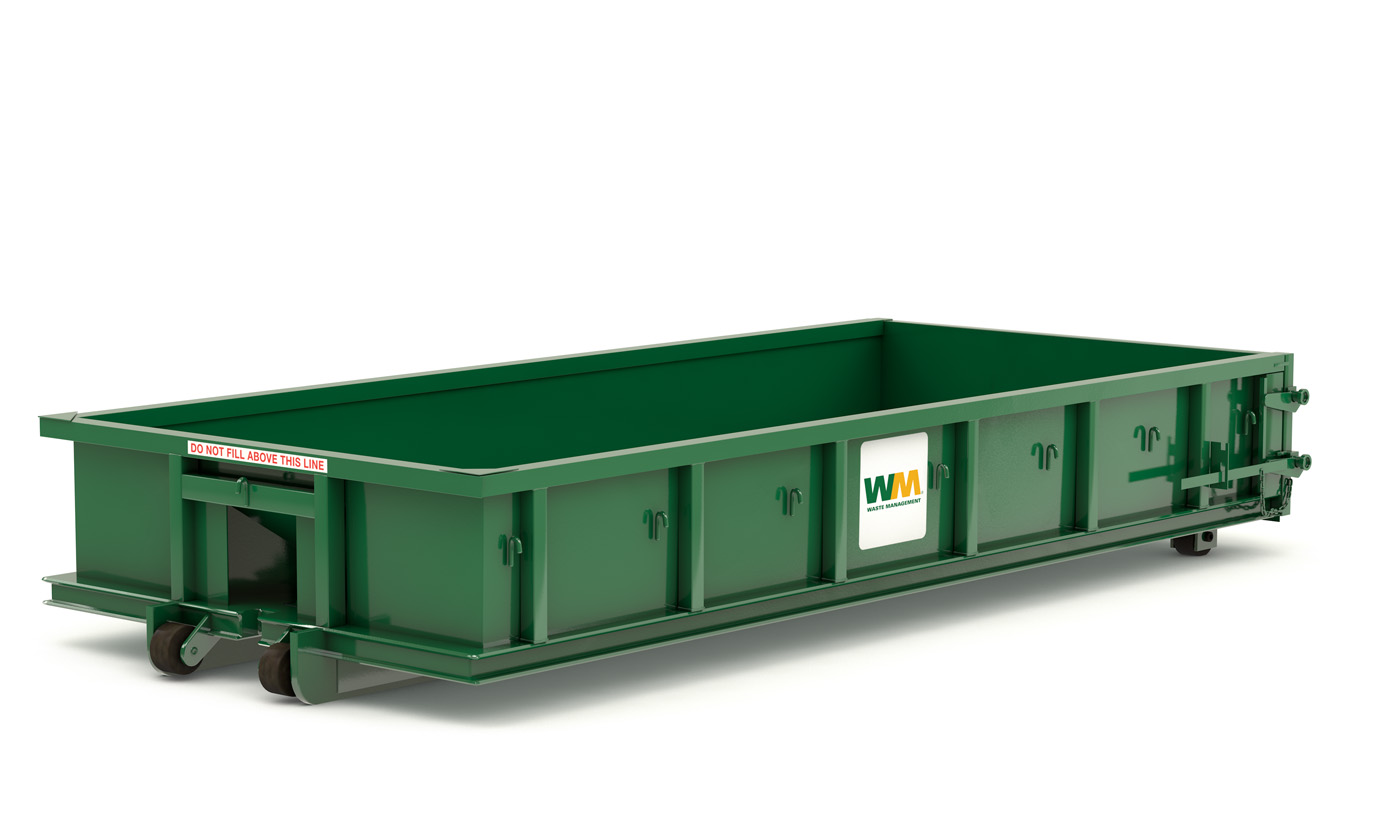
Common dumpster dimensions range from 10 to 40 cubic backyards, with 20 and 30 cubic yards being preferred options for household and commercial projects. By picking the best dumpster dimension, you can assure a smooth and successful project that stays within budget plan and schedule.
Selecting the Proper Dumpster Type
Project requirements determine the need of a specific dumpster kind to assure effective waste administration and stay clear of logistical complications.
Different projects need unique dumpster types to fit varying waste streams, capacities, and site restrictions. Picking the proper dumpster type ensures a smooth waste monitoring experience, stopping costly delays and ecological hazards.
When selecting a dumpster kind, think about the following aspects:
- Roll-off dumpsters: perfect for large building, demolition, and landscape design projects, supplying high-capacity waste storage space and simple transportation. Front-load dumpsters: ideal for business facilities, dining establishments, and stores, providing normal waste collection and portable storage. Rear-load dumpsters: generally utilized for domestic waste collection, offering practical filling and dumping operations. Compactor dumpsters: made for high-volume waste generators, such as grocery stores and health centers, including built-in compactors for effective waste compression. Specialty dumpsters: accommodating one-of-a-kind project requirements, including contaminated materials disposal, construction debris recycling, and organics composting.