When it concerns dumpster rental, making informed decisions regarding dumpster dimension, rental duration, permits, and safety precautions is important to ensure effective waste elimination, prevent pricey blunders, and adhere to local regulations You need to review the ideal dumpster size based upon your project's scope, comprehend how rental expenses are affected by size, duration, and place, and obtain needed authorizations to stay clear of fines. Appropriate positioning, placing, and material limitations are also important, and safety precautions must be required to prevent crashes and ecological risks. By recognizing these key elements, you'll be fully equipped to browse the dumpster rental process with confidence.
Choosing the Right Dumpster Size
When tackling a large-scale project, eliminating waste efficiently is critical, and choosing the right dumpster size is essential to accomplishing this objective. A dumpster that is as well small will certainly bring about frequent draining and included costs, while one that is too large will lead to unneeded rental fees.
To choose the ideal dimension, take into consideration the extent of your project and the sort of waste you'll be generating. For small projects, such as bathroom remodels or small renovations, a 10-15 backyard dumpster might be adequate. Medium-sized projects, like kitchen remodels or little building and construction tasks, might require a 20-30 yard dumpster. Large-scale jobs, such as business building or major improvements, will likely require a 40 backyard dumpster or larger.
Additionally, think about the weight and thickness of the waste, along with any type of local regulations or constraints on dumpster dimension and placement. By carefully considering these aspects, you can guarantee you have the best dumpster size for your project, saving you time and money in the lengthy run.
Understanding Dumpster Rental Costs
What makes a dumpster rental cost-effective? The expense of leasing a dumpster greatly relies on numerous aspects, including the size of the dumpster, rental duration, and location Comprehending these aspects can assist you make an informed decision and save money.
Typically, smaller sized dumpsters are a lot more budget-friendly, but they might not appropriate for large-scale projects. On the various other hand, larger dumpsters may be much more expensive, yet they can take care of bulkier waste.
Rental period likewise plays a considerable role in establishing the total expense. The longer you lease the dumpster, the extra you'll pay. However, some rental firms provide price cuts for extended rental periods.
Additionally, area can affect the cost, as dumpsters might require to travel longer ranges to reach your site, leading to greater transportation costs.
To obtain the best value, consider your job's certain requirements and choose a dumpster that fits your demands. Be sure to inquire about any kind of additional fees, such as shipment or pick-up costs, https://anotepad.com/notes/irynriip and negotiate the price if possible.
Obtaining Needed Licenses and Licenses
An important aspect of dumpster rental is confirming you have the necessary permits and licenses to position the dumpster on your building or work site.
Failure to get these licenses can lead to fines, penalties, and even dumpster removal. It's necessary to study and recognize the specific policies in your location, as they differ by city, area, and state.
Typically, you'll require an authorization to put a dumpster on public property, such as a road or walkway. Nevertheless, some areas may require permits for dumpsters on private property as well.
Be sure to talk to your local government or house owners organization (if appropriate) to determine the required licenses and licenses. Your dumpster rental business might also offer advice or assistance in obtaining the called for permits.
Selecting the most effective Rental Duration
Determining the ideal rental duration is critical to ensuring a seamless dumpster rental experience, as it straight influences project timelines, spending plan, and overall convenience.
A rental period that is as well short may cause rushed tasks, while a duration that is as well long can lead to unnecessary costs To select the very best rental period, take into consideration the range and intricacy of your job, in addition to the quantity of particles you anticipate to generate.
Typically, rental durations range from a couple of days to several weeks or perhaps months. For small tasks, such as yard cleanups or minor improvements, a short-term service of 3-5 days may suffice.
For bigger jobs, like building and construction or demolition, longer rental periods of 1-2 weeks or even more may be required. Make certain to review your project requirements with your dumpster rental service provider to determine one of the most suitable rental period for your particular needs.
Prohibited and Accepted Materials
Compliance with material restrictions is important to guarantee a problem-free dumpster rental experience, as it directly influences the safety and security of individuals, the setting, and the efficiency of waste disposal.
Familiarizing yourself with prohibited and approved materials assurances you're not just following guidelines yet also staying clear of prospective fines and charges. Typically, approved materials consist of household trash, building particles, and yard waste.
However, particular things are purely forbidden as a result of environmental and safety concerns These typically include hazardous waste like batteries, electronic devices, and chemicals, as well as liquids, combustible materials, and biomedical waste.
Additionally, some materials might call for special handling and disposal, such as fridges, air conditioners, and tires. Make certain to speak with your dumpster rental service provider to establish their specific standards and restrictions
Placing and Positioning the Dumpster
Proper positioning and positioning of the dumpster on your residential or commercial property is essential to guarantee a seamless and efficient waste management process. This assures easy access for loading and discharging, reducing the risk of damage to your building or the dumpster itself.
When choosing the ideal place, think about the closeness to the area where the waste will be generated, as well as the route the dumpster truck will take when delivering and accumulating the container.
Choose a flat, degree surface that can sustain the weight of the dumpster when it's full. Stay clear of placing the dumpster on soft or irregular ground, as it may sink or tip over.
Additionally, make sure the dumpster is positioned in such a way that allows for simple access, such as near a door or gate, and is not obstructing pedestrian or automobile traffic
Safety Preventative measures and Regulations
When leasing a dumpster, routinely reviewing and adhering to safety precautions and regulations is essential to stop accidents, fines, and ecological hazards.
This consists of making sure the dumpster is placed on a level surface, away from power lines and various other blockages, and that it is securely fastened to the ground to avoid tipping or rolling.
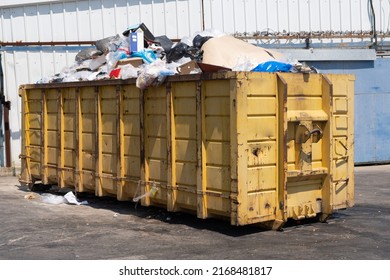
Additionally, it is essential to adhere to weight and dimension restrictions, as overloading or incorrectly filling the dumpster can lead to mishaps and fines.
Moreover, it is necessary to comply with local regulations pertaining to the types of materials that can be dealt with in the dumpster, such as hazardous waste or recyclables.
Failure to follow these policies can lead to penalties, charges, and ecological damage.