Renting a dumpster includes a 10-step procedure to assure an easy experience. Initially, identify your dumpster needs by assessing waste type, amount, and rental period. Next off, select the right dumpster size, taking into consideration factors like large things and job scope. Then, choose a reputable rental company, examining reviews, licenses, and insurance coverage. After that, familiarize yourself with local regulations, allows, and waste disposal demands. Establish a budget and contrast prices, consisting of additional fees. Schedule a shipment day, preparing the site and guaranteeing prompt drop-off. Finally, prepare the site, removing the area and getting rid of obstacles. By complying with these actions, you'll be well on your means to an effective dumpster rental experience, and checking out the information of each step will certainly assist you browse the process with confidence.
Determine Your Dumpster Needs
Several aspects should be taken into consideration when establishing your dumpster needs The type and quantity of waste you intend to take care of, the period of the rental period, and the offered space at your place are all vital considerations.
Moreover, local laws and permits needed for dumpster positioning should be taken right into account.
Understanding the objective of the dumpster leasing is additionally essential. Are you taking on a home renovation, clearing out a cellar, or taking care of a building and construction site? Different jobs generate differing types of waste, and the ideal dumpster dimension and kind should be chosen accordingly.
Additionally, the weight and material of the waste will certainly influence the selection of the dumpster. Heavy materials like concrete or asphalt require specialized dumpsters, while lighter materials like backyard waste or house trash can be accommodated by standard dumpsters.
Choose the Right Dumpster Size
To establish the ideal size, think about the extent of your project, the kind of products being discarded, and the offered space on your property.
Common dumpster sizes array from 10 to 40 cubic lawns. For small projects, such as washroom remodels or backyard clean-ups, a 10-20 cubic lawn dumpster might suffice. Larger projects, like building and construction or demolition, might call for a 30-40 cubic backyard dumpster.
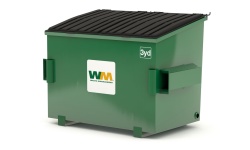
When estimating the size, keep in mind to represent any type of bulky or hefty items, such as devices or concrete, which may occupy even more space than expected.
Accurately determining your dumpster needs will guarantee a hassle-free rental experience and enhance your waste monitoring budget.
Select a Reliable Rental Company
Regularly, house owners and contractors discover themselves bewildered by the sheer variety of dumpster rental companies trying their organization, making it crucial to separate the reliable from the unreliable
Researching and choosing a reputable rental company is vital to assure a smooth and convenient dumpster rental experience.
Start by requesting for referrals from friends, family, or associates who have actually rented out dumpsters in the past. You can likewise check online testimonial platforms, such as Yelp or Google Reviews, to get an idea of the firm's track record and client satisfaction.
Look for business with a solid performance history of giving excellent client service, prompt shipments, and competitive pricing.
Additionally, validate if the firm is effectively accredited and insured to run in your area. A trusted company will be transparent concerning their services, rates, and policies.
Be cautious of companies with uncertain or hidden fees, as they might amaze you with service charges later on on.
Check Local Dumpster Regulations
Before getting a dumpster, it is vital to acquaint yourself with the local regulations governing dumpster rental and positioning in your location. Failure to comply with these laws can lead to fines, charges, or even abrogation of your rental agreement.
Start by calling your city government or public works department to ask about details policies and limitations. Some common guidelines consist of acquiring authorizations, adhering to noise regulations, and adhering to weight and dimension limitations.
Additionally, you may need to confirm that the dumpster is positioned on personal property or get authorization from adjacent residential property owners.
It's likewise vital to understand any kind of details requirements for waste disposal, such as dividing recyclables or hazardous materials
Set a Budget plan and Contrast Prices
Establishing a budget and comparing prices is an essential action in the dumpster rental process, as it allows you http://piedmonttriaddumpsters.theglensecret.com/what-can-you-place-in-a-dumpster-a-comprehensive-guide to make an informed decision that satisfies your demands and financial constraints.
By establishing a budget plan, you can limit your choices and focus on dumpster rental services that fit within your means. Start by identifying how much you're willing to invest in dumpster rental, consisting of any kind of additional fees for shipment, pick-up, and disposal.
Next, research local dumpster rental companies and contrast their costs. Make certain to take into account the size and kind of dumpster you require, along with any type of additional solutions you may need, such as same-day distribution or versatile rental periods.
Create a checklist of possible service providers, including their prices and solutions, to assist you make a well-informed choice. By contrasting costs and services, you can ascertain you're getting the best value for your money and prevent overspending on your dumpster rental.
Schedule Dumpster Shipment Date
With your budget in position and a checklist of prospective dumpster rental providers in hand, it's time to turn your interest to scheduling the shipment of your dumpster.
This vital action assurances that your project remains on track and that you have the necessary equipment to obtain the job done.
When organizing your dumpster distribution day, think about the following:
Project timeline: Line up the distribution day with your task's begin date to ensure you have the dumpster on website when you need it.
Availability: Confirm the rental company's schedule and timetable the distribution at a time that works best for you.
Access restrictions: Educate the company of any accessibility restrictions, such as slim roads or gated neighborhoods, to assure a smooth delivery process.
Alternative dates: Have a backup plan in position in situation of unforeseen delays or changes in your project schedule.
Prepare the Dumpster Shipment Site
Clear the area around the designated distribution site to assure a seamless and efficient dumpster drop-off. Identify the course is free from obstacles, including automobiles, trees, and high-voltage line, to allow the dumpster vehicle to access the site easily.
Consider the dumpster's size and swing radius when choosing a shipment area. Commonly, a 10- to 20-foot radius is needed for a standard dumpster.
Remove any type of loose debris, such as leaves or branches, to prevent damages to the dumpster or surrounding home. If you're leasing a dumpster for a construction project, identify the website is free from developing materials, tools, and equipment.
If you're leasing for a residential cleanout, eliminate any clutter or blockages that might prevent the shipment process.
Designate a details area for the dumpster, such as a driveway or a flat, level surface This will aid avoid the dumpster from shifting throughout usage and ascertain it can be conveniently gotten when the rental duration ends.